

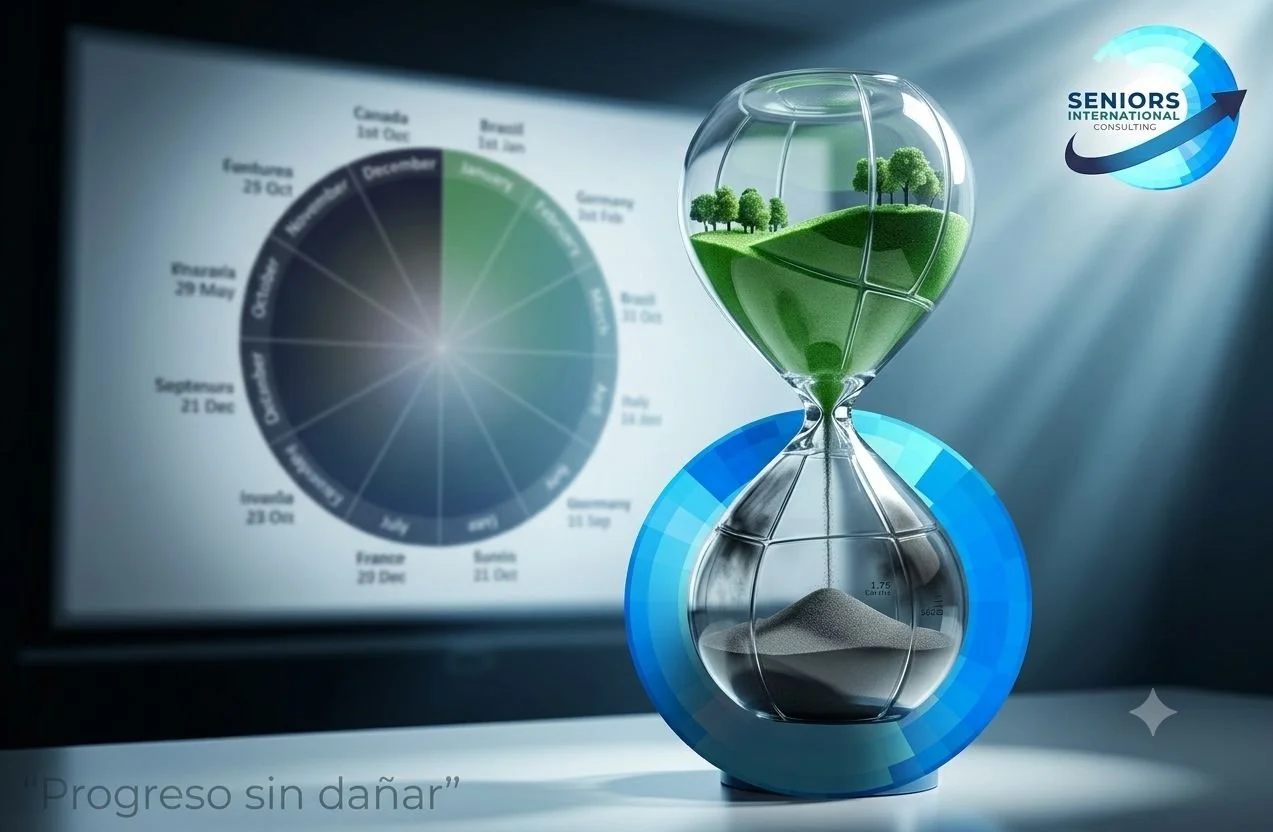
From the Global South: Artificial Intelligence, Earth Overshoot Day and the Case for ‘One Health’ Infrastructure
“Progress without harm: technological innovation cannot advance at the expense of the planet’s biological budget, nor of our communities’ health. Latin America must not become the environmental liability of global technological development.”

Growing Without Destroying:A Model of Growth in the Era of Climate Capital
For decades, carbon emissions represented the perfect externality — a cost that the global financial system systematically subsidised, funding growth at the expense of planetary stability.

Cybersecurity and Clinical Data Governance: The New Strategic Architecture of Global Health
In the contemporary international arena, security has ceased to be a purely kinetic or reactive construct. As analyzed in post-pandemic strategic governance literature, security must now be conceived as "a system capable of anticipating, cooperating, integrating technology, and exercising ethical leadership" (1). The accelerated digitalization of healthcare architectures, driven by the pursuit of Universal Health Coverage (UHC) and the integration of Artificial Intelligence (AI), has transformed medical records into high-value geopolitical and economic assets. However, this expanded virtual reality broadens the attack surface for advanced cyber threats, exposing critical vulnerabilities in legacy infrastructures that lack robust governance frameworks required to securely operate or monetize clinical data at scale (2).
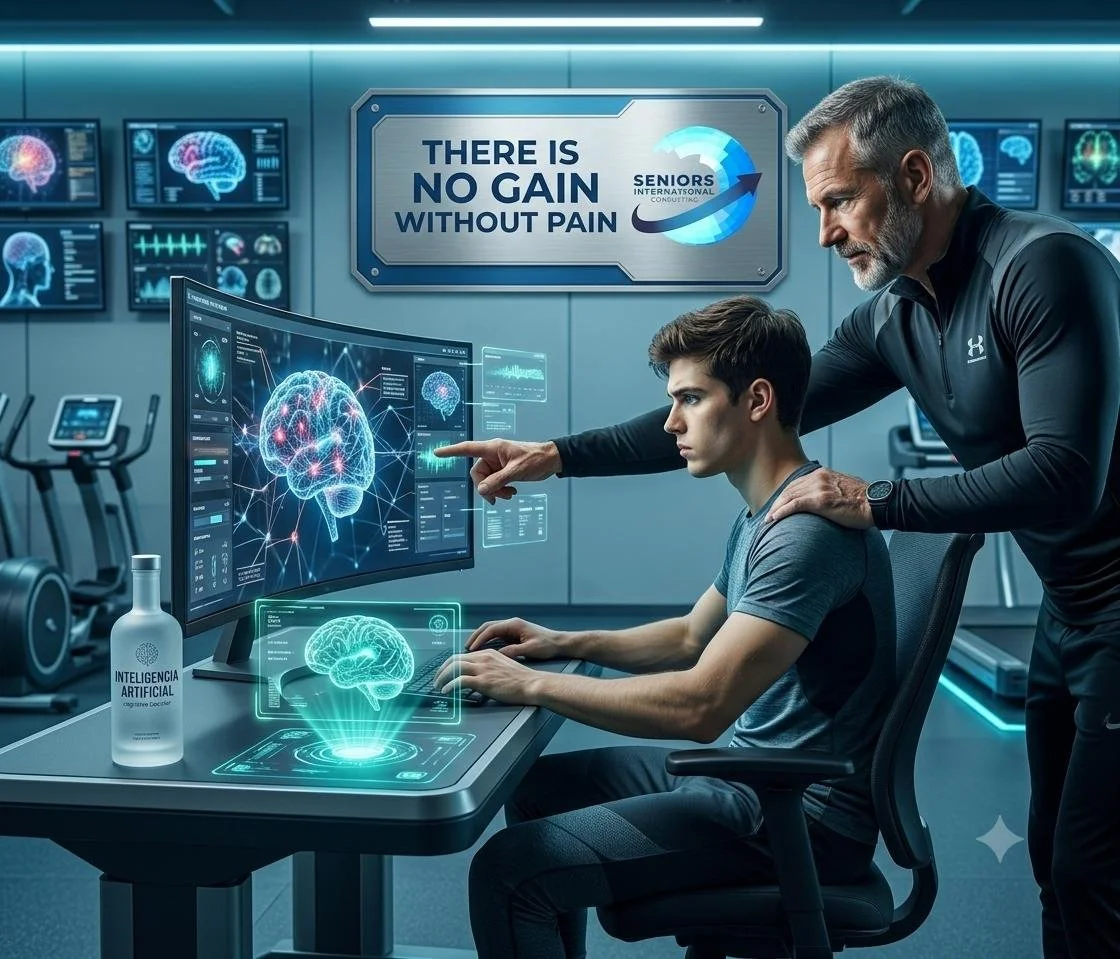
The Cognitive Gym: Why More Content Does Not Mean More Learning
For over two decades, I have navigated various national and international healthcare organizations, including domestic and global academia. Lately, my work has focused on healthcare governance management and global health—fields where innovation and entrepreneurship programs are becoming increasingly paramount. If there is one phrase that encapsulates what I am witnessing today, it is this: we have never had so much access to knowledge, yet we have never learned so little from it.

From Enabling Innovation to Augmented Human Potential: Intergenerational Work, Global Health and Governance in the Age of Artificial Intelligence
This article, developed from the perspective of Seniors International Consulting™ (SICs™), examines the intersection of sustainable innovation, labour market transformation and global health governance within the context of the Fourth Industrial Revolution. We contend that innovation is not a binary choice between 'innovate or perish', but rather a systemic imperative: innovate or pay, wherein the costs of inaction — social, economic and sanitary — are borne by society at large. Artificial intelligence (AI) redefines opportunities without eliminating work itself; it transforms competencies and demands intergenerational strategies that bring together young professionals and workers aged fifty-five and above. Talent cannot be consumed without first being created. The Global Lighthouse Network and the global footprint of SICs™ offer a scalable model of transformation. In global health, antimicrobial resistance (AMR), the persistent gap in access to medicines, and the imperative for robust data infrastructure — from the GPU to AI agents — constitute the defining challenges of our era. The human being must always remain in the loop. Technology amplifies human potential; it does not supplant it.

The Global and Regional Competitiveness Map for 2026
The global macroeconomic scenario in 2026 is defined by a deep interdependence between geopolitical fractures, financial rigidity, and an unprecedented transformation of binding environmental regulations. For strategic advisory firms like Seniors International Consulting, understanding this environment no longer implies analyzing isolated variables, but rather deciphering how volatility in a shipping lane or a regulatory change in Brussels reconfigures balance of payments, investment portfolios, and the commercial viability of value chains in Latin America and the Caribbean
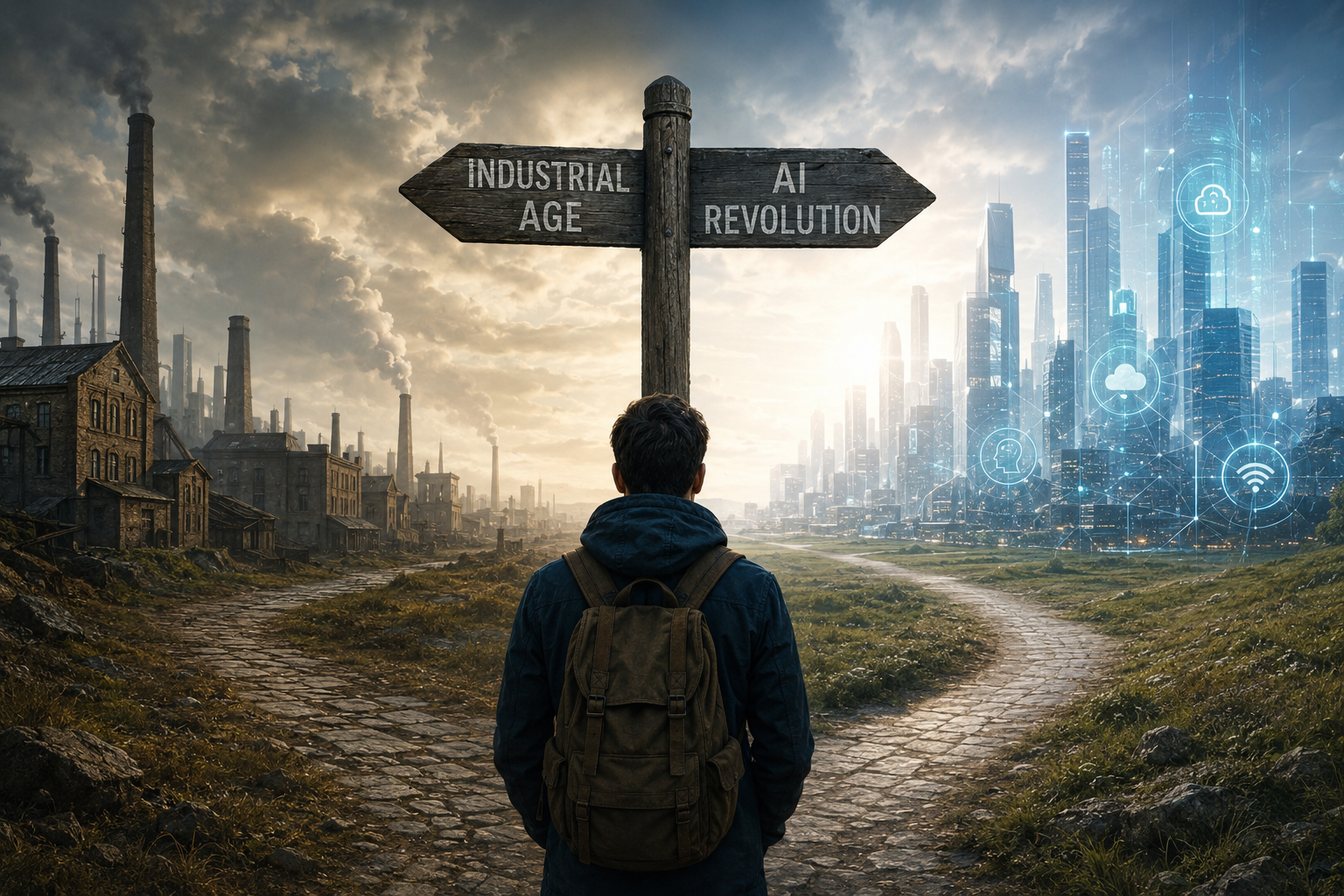
From Steam to Algorithm
Human history is punctuated by structural disruptions that fundamentally redefine our manner of living, working, legislating, and interacting. The Industrial Revolution, spanning from the mid-18th century to the early 20th century, profoundly altered the social fabric by marking the historic transition from an agrarian, artisanal economy to mass industrialization and assembly-line production [1, 2]. Today, we stand on the precipice of a socioeconomic transition of identical or greater magnitude: the Technological Revolution and the sweeping advancement of Artificial Intelligence (AI) [3, 14].

Reimagining the Abyss: Why Blue Finance and Ocean AI Are the Next Frontier in Global Healthcare and Financial Consulting
The theme for World Oceans Day 2026, "Reimagine," places us before an uncomfortable mirror. The ocean covers more than 70% of the planet, captures 90% of anthropogenic excess heat, and generates half of the oxygen we breathe. However, the scientific consensus compiled in the UN’s preliminary WOA III report issues an unequivocal warning: the window to mitigate systemic changes in the hydrosphere is closing due to cumulative pressures and unprecedented thermal tipping points.

The Trust Deficit in Global Health Governance
The next major crisis engulfing healthcare systems will not merely be fiscal, technological, or epidemiological. It will be a crisis of trust.
Global health is currently navigating an era of polycrisis. Concurrent conflicts, human displacement, fiscal constriction, climate transition, institutional fragmentation, digital transformation, and artificial intelligence are radically rewriting the rules of healthcare governance. Within this new paradigm, multilateral development banks, bilateral development agencies, green funds, sovereign governments, and pharmaceutical corporations are confronted with a singular, overriding question: Whom can we trust to design, finance, and implement health systems that are technically sound, socially legitimate, and operationally resilient?
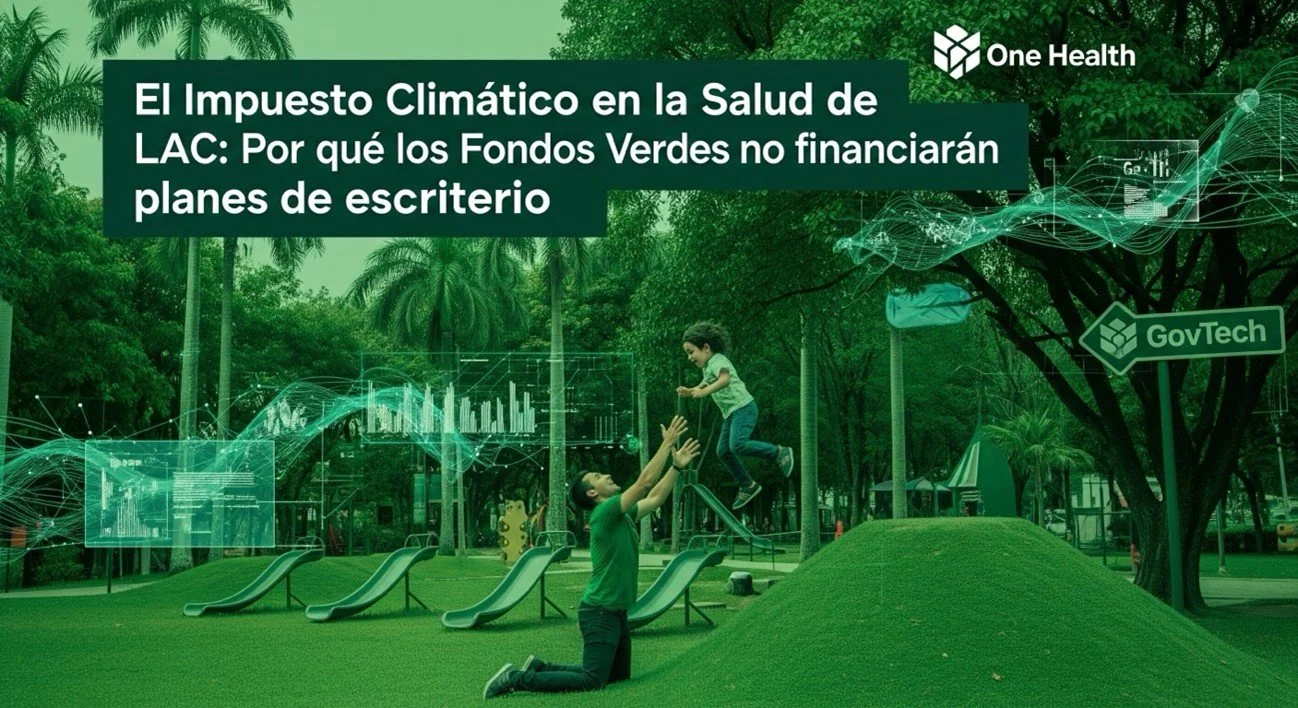
The Climate Tax on LAC Healthcare: Why Green Funds Will Not Finance Desktop Plans
Climate change has ceased to be an exogenous variable in development models; it is now the single greatest vector of operational destabilization for healthcare systems across Latin America and the Caribbean (LAC). We are not facing an isolated environmental crisis, but a polycrisis that directly strikes human capital resilience and the region's fiscal sustainability. Historically, traditional advisory firms have approached climate adaptation through generic "carbon mitigation" manuals. Today, that theoretical disconnect is untenable.

Hybrid Intelligence and Impact Governance: The New Standard for Strategic Consulting
In a global environment characterized by geopolitical uncertainty and technological acceleration, strategic consulting must evolve toward a "Hybrid Intelligence" model. This article analyzes how integrating senior human expertise with AI cognitive architectures—under World Bank impact evaluation criteria—transforms raw data into decisions that enhance human lives.

AI Governance and the True Culture of Execution in 21st‑Century Global Health
In the global market for senior‑level strategic consulting, institutions frequently fall into a common trap: they assume that mass purchases of commercial software licenses (such as Atlassian Jira or Monday.com) and the accumulation of standardized Project Management Institute (PMI) certifications like PMP, Scrum, or Kanban automatically guarantee the success of an operational roll‑out. The harsh reality on the ground proves otherwise: deadlines lengthen systematically, international teams disconnect, and managers spend 90% of their resources reacting like firefighters to unforeseen crises.

The Human Advantage: How Reskilling and AI Mitigate Skills Obsolescence within the MERCOSUR Healthcare System
The MERCOSUR region is currently grappling with a sustainability crisis regarding human capital in health, driven by an aging workforce, dwindling replacement rates, and mounting fiscal pressures. This study proposes and evaluates a socio-technical architecture (SICs™) predicated on massive reskilling, People Analytics, and Anticipatory Leadership to preserve "human utility" in clinical care.

Hybrid Intelligence and Impact Governance: The New Standard for Strategic Consulting
In a global environment characterized by geopolitical uncertainty and technological acceleration, strategic consulting must evolve toward a "Hybrid Intelligence" model. This article analyzes how integrating senior human expertise with AI cognitive architectures—under World Bank impact evaluation criteria—transforms raw data into decisions that enhance human lives.

The Language of Care: Why Semantic Interoperability is a Matter of Dignity
It is an effortless exercise to lose oneself in the "alphabet soup" of acronyms, standards, and technical jargon that defines modern health information systems (HIS). Yet, at its core, this discourse concerns something far more fundamental: human dignity.
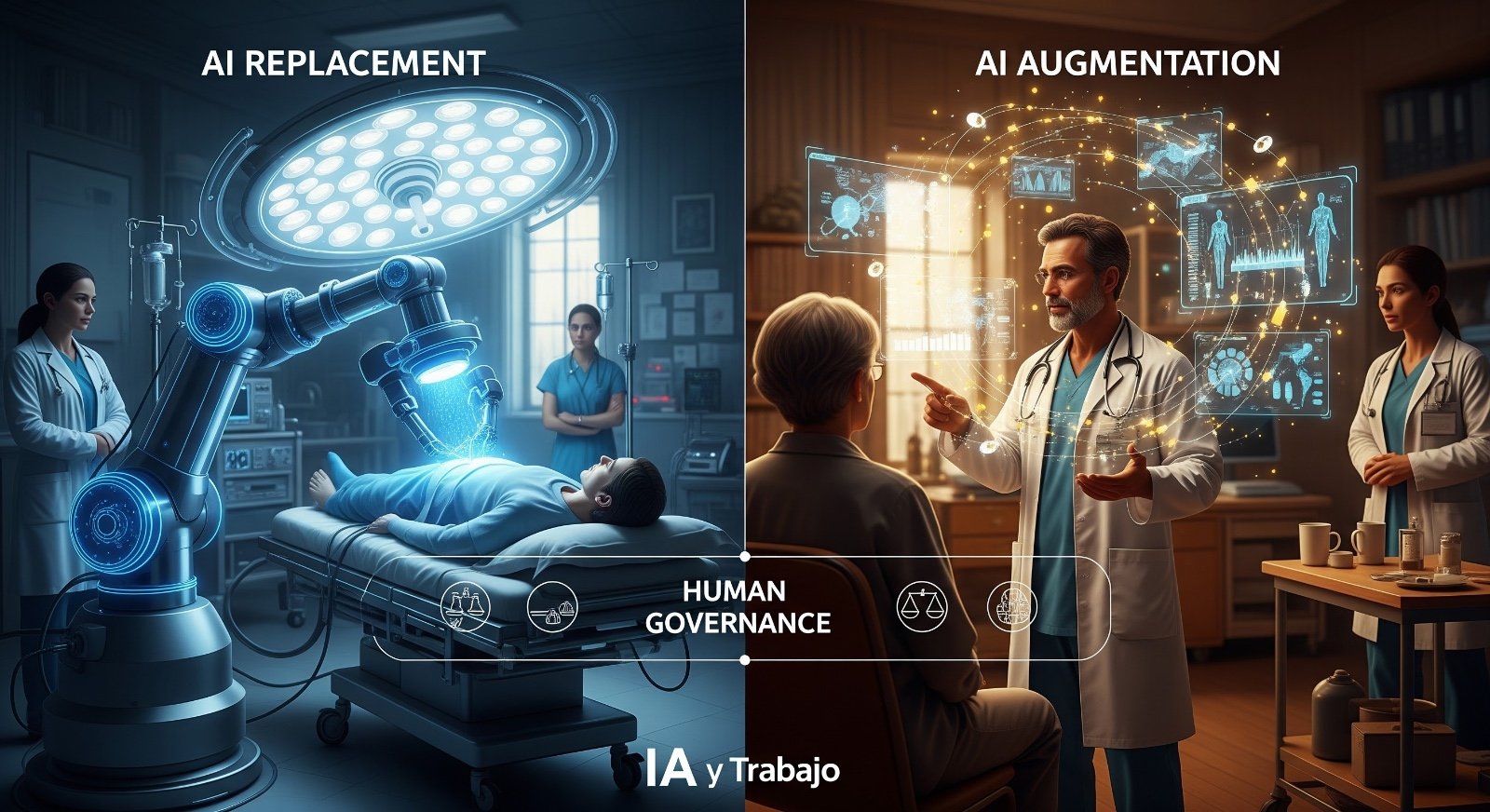
The Planned Obsolescence of Capabilities: AI, Health, and the New Frontier of Inequality
Planned obsolescence is typically associated with the deliberate design of a product's end-of-life. For years, we conceived it primarily in relation to household appliances, mobile phones, or computers: objects that once lasted decades and today seem designed for replacement in increasingly brief cycles. However, limiting this concept to the goods industry is insufficient. A closer analysis compels us to recognize various forms of obsolescence: natural, programmed, perceived, planned, and even decreed. Perhaps the most perilous in the digital age is the least visible: perceived obsolescence, which arises not because something ceases to function, but because the system decides it is no longer of value.
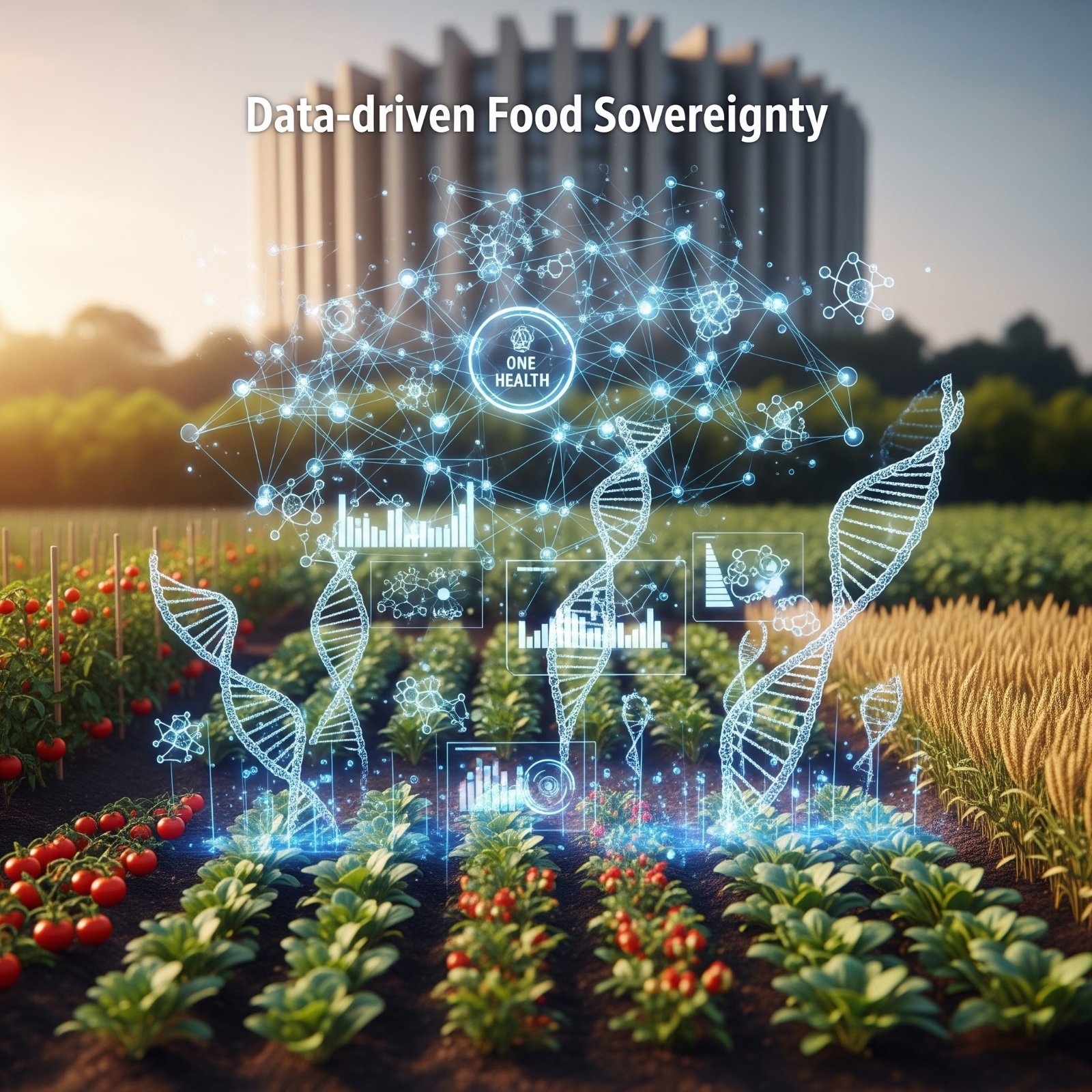
The New Food Sovereignty: Data, One Health, and Public Policy in an Insecure World
For much of the 20th century, food sovereignty was understood as a matter of land access, production capacity, and territorial control. Within this framework, self-sufficiency was measured in hectares, yield, and the physical availability of food. However, in the 21st century, this definition has become incomplete. Today, food sovereignty increasingly depends on a society's capacity to produce, interpret, and govern data regarding its agrifood systems, enabling it to anticipate risks, protect collective health, and guarantee quality nutrition amidst climatic, sanitary, and geopolitical uncertainty.
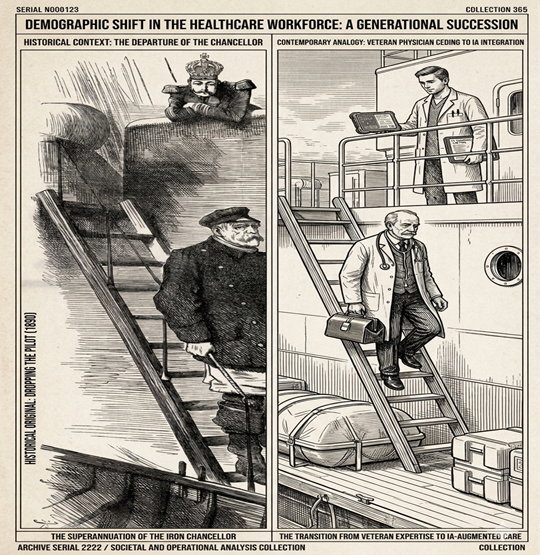
Dropping the Pilot: The Challenge of Generational and Technological Transition in Healthcare
In March 1890, Punch magazine published a caricature that defined the end of an era: "Dropping the Pilot." It depicted the veteran Chancellor Otto von Bismarck, the strategist who unified Germany and pioneered social security, descending from a vessel. From the deck, a young Kaiser Wilhelm II watched his departure.
This moment was the climax of a succession crisis: following the death of Wilhelm I in 1888, his son Frederick IIIreigned for a mere 99 days before succumbing to illness, leaving the throne to the impetuous Wilhelm II [1]. This abrupt rupture, which eliminated any possibility of a gradual transition, serves as a perfect metaphor for the risk currently facing the healthcare sector: the forced exodus of senior professionals amidst the emergence of Artificial Intelligence (AI).
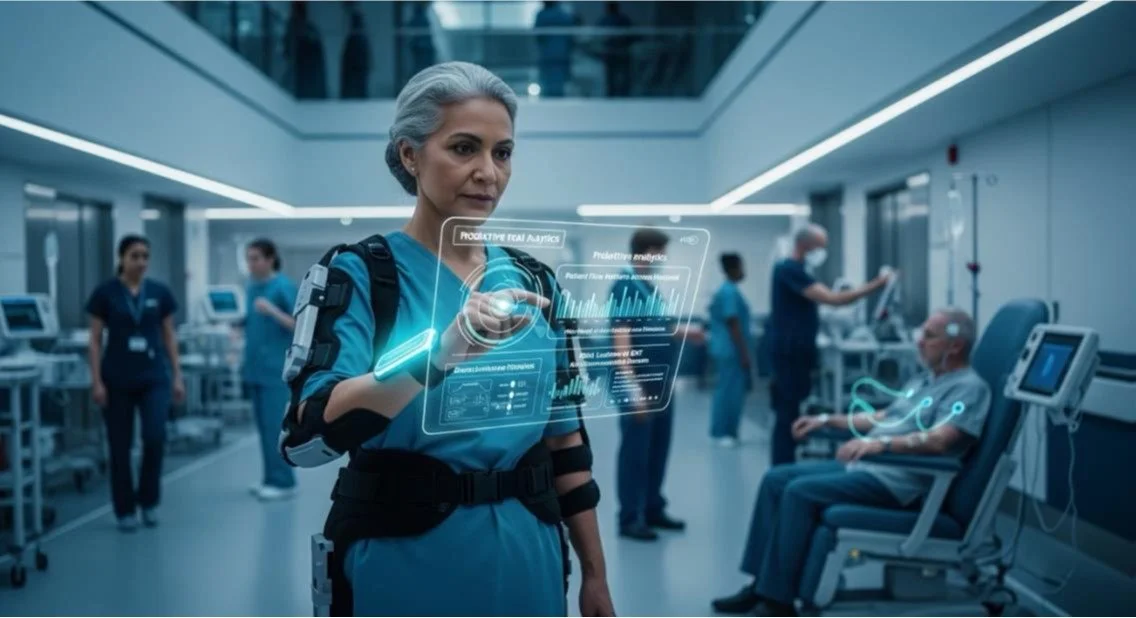
Demographic Aging, Labor Informality, and the Role of Artificial Intelligence in Health Workforce Sustainability (2025–2030)
The accelerated demographic aging in MERCOSUR, combined with high levels of labor informality and fragmented health systems, poses a structural challenge to the sustainability of the health workforce. Countries such as Argentina and Uruguay exhibit demographic profiles comparable to Europe but with lower fiscal capacity and higher informality, while Brazil and Paraguay are undergoing rapid demographic transitions that foreshadow future pressures.
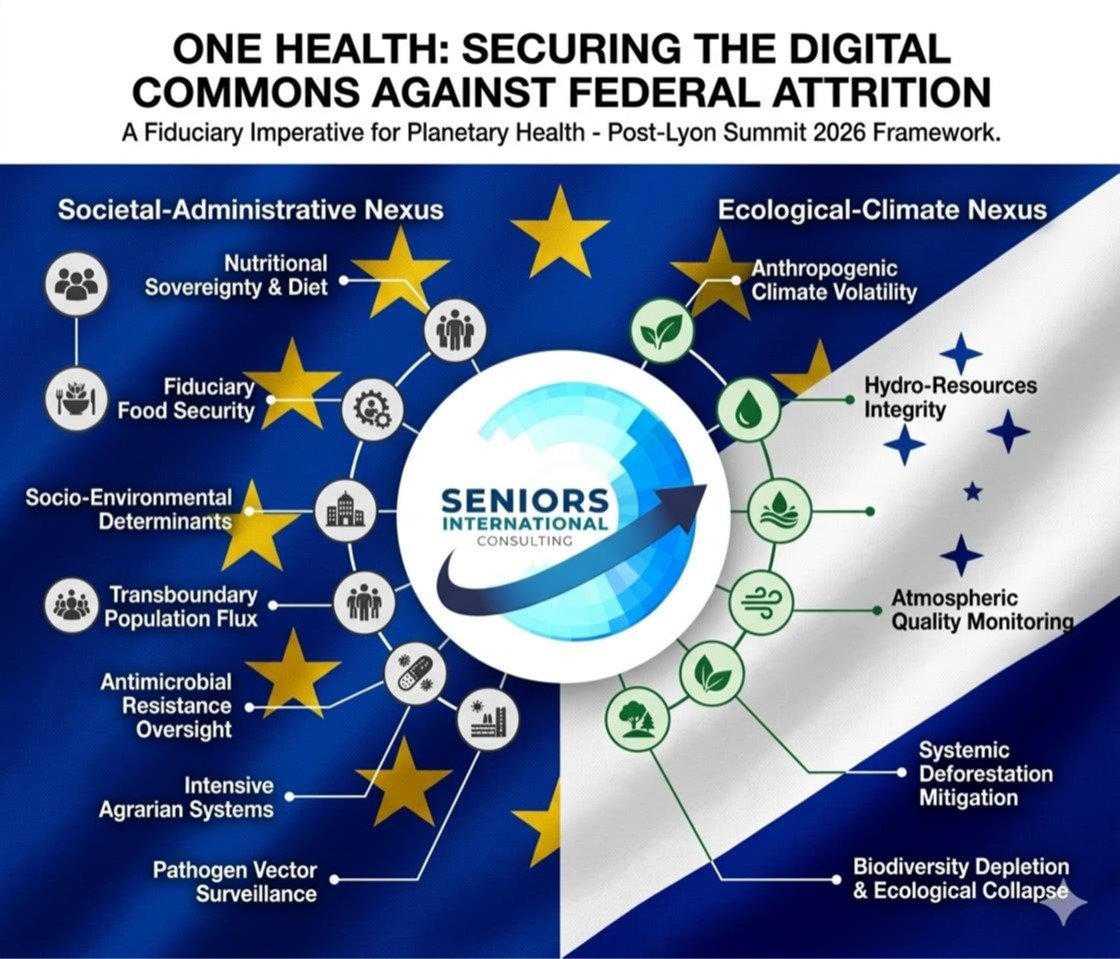
From Data to Sovereignty: Securing the Digital Commons Against Federal Erasure
At the recent One Health Summit in Lyon, a global consensus reaffirmed that health is a singular, seamless fabric. Yet, for leaders of international cooperation—AFD, GCF, WBG—this fabric is losing its fundamental thread: the integrity of data infrastructure. Following the recent "blackout" of critical federal tools, we face a dilemma that transcends technicality and enters the realm of the deeply political. At SICs, we contend that Planetary Health cannot exist without Data Sovereignty. To move forward, we must recognize that while raw data is a resource, sovereign information is the power to shield life against geopolitical volatility and shifting regulatory landscapes.